Buying a home is often one of the most exciting milestones in life, but it can also be stressful and overwhelming. Even seasoned homebuyers admit that the process comes with its fair share of

Dated: June 1 2026
Views: 35
You finally find the perfect home. The location is ideal, the neighborhood is beautiful, and the amenities seem impressive. Then you notice something that gives you pause: a monthly HOA fee.
For many homebuyers, homeowners association (HOA) fees can initially feel like an unnecessary extra expense. Some buyers even eliminate properties from consideration as soon as they see a significant HOA fee attached.
However, HOA fees are not always a bad thing. In many communities, they help maintain property values, fund amenities, and protect the overall appearance and functionality of a neighborhood. The key is understanding what you are paying for and determining whether the benefits justify the cost.
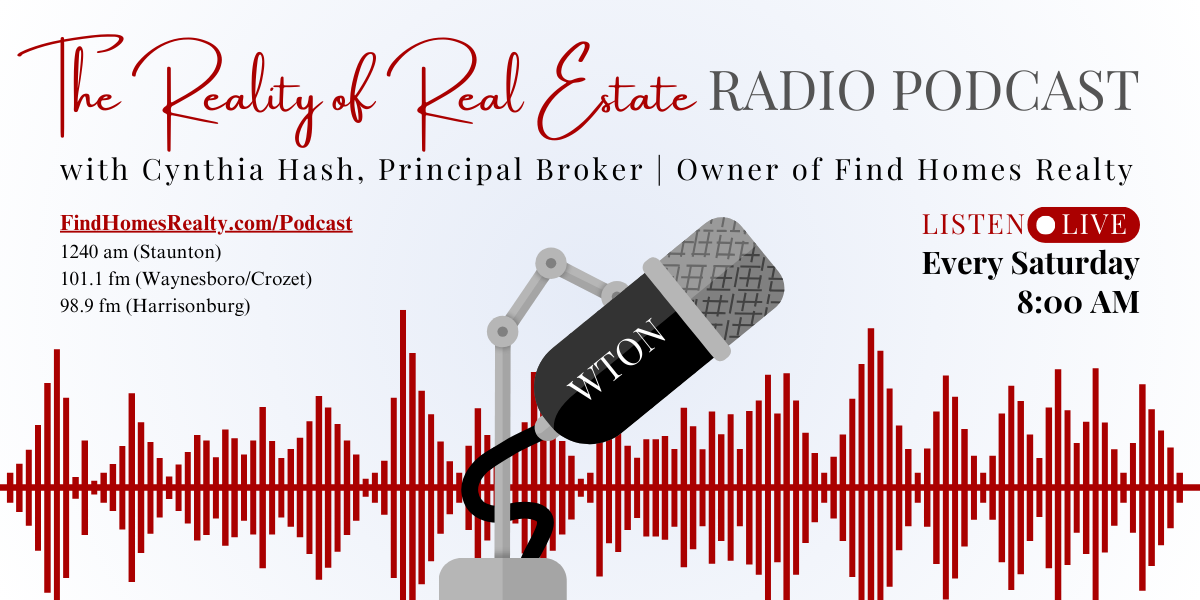
On this episode of The Reality of Real Estate Podcast, we discuss what HOA fees cover, how to evaluate them, and what buyers should know before purchasing a home in an HOA community.
A Homeowners Association (HOA) is an organization that manages and maintains shared areas and community standards within a neighborhood, condominium, or townhome development.
Homeowners in the community pay regular HOA fees that help fund services, maintenance, and future repairs.
HOAs are especially common in:
While HOA fees increase the monthly cost of ownership, they often provide services and amenities that homeowners would otherwise have to pay for separately.
Many buyers are surprised to learn just how much an HOA fee may include.
Depending on the community, HOA fees may help pay for:
For condominium owners, HOA fees may also cover major exterior maintenance items such as roofing, siding, parking lots, and structural repairs.
This can be especially appealing for homeowners who prefer a low-maintenance lifestyle.
Many buyers focus solely on the monthly cost of HOA fees without considering the long-term value they may provide.
Well-managed HOAs often help:
A well-funded HOA can also prevent homeowners from being hit with large unexpected expenses when major repairs become necessary.
For example, reserve funds collected through HOA fees may help pay for:
HOA fees vary significantly depending on the location, amenities, age of the community, and level of services provided.
Some communities may charge less than $100 per month, while luxury developments can charge several hundred or even thousands of dollars monthly.
Factors that influence HOA fees include:
One guideline some professionals use is the "1% Rule."
Under this approach, annual HOA fees should generally not exceed 1% of the home's purchase price.
For example:
While this is not a hard rule, it can serve as a helpful benchmark when comparing properties.
Before purchasing a home with an HOA, buyers should carefully review what services and amenities are included.
Sometimes a higher HOA fee may actually offset other expenses.
For example, the fee may include:
If these costs would otherwise come out of your pocket separately, the HOA fee may not be as expensive as it initially appears.
The most important question is whether you will actually use and benefit from what the community provides.
A community with a resort-style pool, fitness center, tennis courts, and clubhouse may sound appealing.
But if you never plan to use those amenities, the value proposition changes.
Ask yourself:
The more frequently you use the amenities, the easier it may be to justify the monthly expense.
One of the most important steps buyers can take is reviewing the financial condition of the HOA.
A financially healthy HOA should have:
If an HOA consistently raises fees or lacks adequate reserves, it could indicate financial challenges that may lead to larger costs in the future.
Buyers should ask for:
Every HOA operates under governing documents known as Covenants, Conditions, and Restrictions (CC&Rs).
These documents outline the community's rules and regulations.
They may address topics such as:
Some HOAs are highly restrictive, while others offer more flexibility.
Understanding these rules before closing can prevent surprises after moving in.
One of the best ways to learn about an HOA is by speaking directly with people who already live in the community.
Residents can often provide valuable insight into:
Online reviews may also provide useful information, but firsthand conversations are often the most reliable source.
While many homeowners appreciate the structure and services an HOA provides, they are not for everyone.
You may want to reconsider an HOA community if:
The right choice depends on your personal lifestyle, goals, and preferences.
HOA fees should not automatically scare buyers away from an otherwise excellent property or neighborhood.
Instead, buyers should carefully evaluate what those fees provide, how the HOA is managed, and whether the community aligns with their lifestyle.
In many cases, HOA fees help protect property values, reduce maintenance responsibilities, and create a more enjoyable living environment.
The key is understanding exactly what you are paying for before making a purchase decision.
The team at Find Homes Realty helps buyers navigate every aspect of the home-buying process, including HOA communities, condominium associations, townhome developments, and planned neighborhoods.
If you're considering a property with HOA fees and want help evaluating whether it is a smart investment, contact Find Homes Realty today. We can help you understand the costs, benefits, and long-term implications before you buy.
We provide our clients with more than just the assistance in finding or selling a property. Caring for our clients and keeping their best interests at heart is what we do best. We represent our client....
Buying a home is often one of the most exciting milestones in life, but it can also be stressful and overwhelming. Even seasoned homebuyers admit that the process comes with its fair share of
Hosting an open house can be one of the most effective ways to attract potential buyers and generate interest in your property. By allowing multiple visitors to tour the home at once, sellers often
When preparing to buy a home, choosing the right mortgage can be just as important as choosing the right property. Some buyers work directly with banks or mortgage lenders, while others turn to
Many homebuyers are familiar with conventional, FHA, and VA mortgages, but fewer people realize that the United States Department of Agriculture also offers a home loan program designed to make
 Charlottesville Area Association of REALTORS® All information deemed reliable but not guaranteed. All properties are subject to prior sale, change or withdrawal. Neither listing broker(s) or information provider(s) shall be responsible for any typographical errors, misinformation, misprints and shall be held totally harmless. Listing(s) information is provided for consumer's personal, non-commercial use and may not be used for any purpose other than to identify prospective properties consumers
may be interested in purchasing. The data relating to real estate for sale on this website comes in part from the Internet Data Exchange program of the Multiple Listing Service. Real estate listings held by brokerage firms other than Find Homes Realty may be marked with the Internet Data Exchange logo and detailed information about those properties will include the name of the listing broker(s) when required by the MLS. Copyright ©2026 All rights reserved.
Last Updated: September 11, 2026 7:31 PM UTC
Show More...
Charlottesville Area Association of REALTORS® All information deemed reliable but not guaranteed. All properties are subject to prior sale, change or withdrawal. Neither listing broker(s) or information provider(s) shall be responsible for any typographical errors, misinformation, misprints and shall be held totally harmless. Listing(s) information is provided for consumer's personal, non-commercial use and may not be used for any purpose other than to identify prospective properties consumers
may be interested in purchasing. The data relating to real estate for sale on this website comes in part from the Internet Data Exchange program of the Multiple Listing Service. Real estate listings held by brokerage firms other than Find Homes Realty may be marked with the Internet Data Exchange logo and detailed information about those properties will include the name of the listing broker(s) when required by the MLS. Copyright ©2026 All rights reserved.
Last Updated: September 11, 2026 7:31 PM UTC
Show More...
 © BRIGHT, All Rights Reserved
Information Deemed Reliable But Not Guaranteed
The data relating to real estate for sale on this website appears in part through the BRIGHT Internet Data Exchange program, a voluntary cooperative exchange of
property listing data between licensed real estate brokerage firms in which
participates, and is provided by BRIGHT through a licensing agreement.
The information provided by this website is for the personal,
non-commercial use of consumers and may not be used for any purpose other than to identify prospective properties consumers may be interested in purchasing.
Data last updated: September 11, 2026 3:50 PM UTC
Some properties which appear for sale on this website may no longer be available
because they are under contract, have Closed or are no longer being offered for sale.
Some real estate firms do not participate in IDX and their listings do not appear on this website. Some properties listed with participating firms do not appear on this website at the request of the seller.
Show More...
 All information deemed reliable but not guaranteed. All properties are subject to prior sale, change or withdrawal. Neither listing broker(s) or information provider(s) shall be responsible for any typographical errors, misinformation, misprints and shall be held totally harmless. Listing(s) information is provided for consumer's personal, non-commercial use and may not be used for any purpose other than to identify prospective properties consumers may be interested in purchasing. The data relating
to real estate for sale on this website comes in part from the Internet Data Exchange program of the Multiple Listing Service. Real estate listings held by brokerage firms other than Find Homes Realty may be marked with the Internet Data Exchange logo and detailed information about those properties will include the name of the listing broker(s) when required by the MLS. Copyright ©2026 All rights reserved.
Last Updated: September 11, 2026 5:03 PM UTC
Show More...
All information deemed reliable but not guaranteed. All properties are subject to prior sale, change or withdrawal. Neither listing broker(s) or information provider(s) shall be responsible for any typographical errors, misinformation, misprints and shall be held totally harmless. Listing(s) information is provided for consumer's personal, non-commercial use and may not be used for any purpose other than to identify prospective properties consumers may be interested in purchasing. The data relating
to real estate for sale on this website comes in part from the Internet Data Exchange program of the Multiple Listing Service. Real estate listings held by brokerage firms other than Find Homes Realty may be marked with the Internet Data Exchange logo and detailed information about those properties will include the name of the listing broker(s) when required by the MLS. Copyright ©2026 All rights reserved.
Last Updated: September 11, 2026 5:03 PM UTC
Show More...
