Buying a home is often one of the most exciting milestones in life, but it can also be stressful and overwhelming. Even seasoned homebuyers admit that the process comes with its fair share of

Dated: April 20 2026
Views: 60
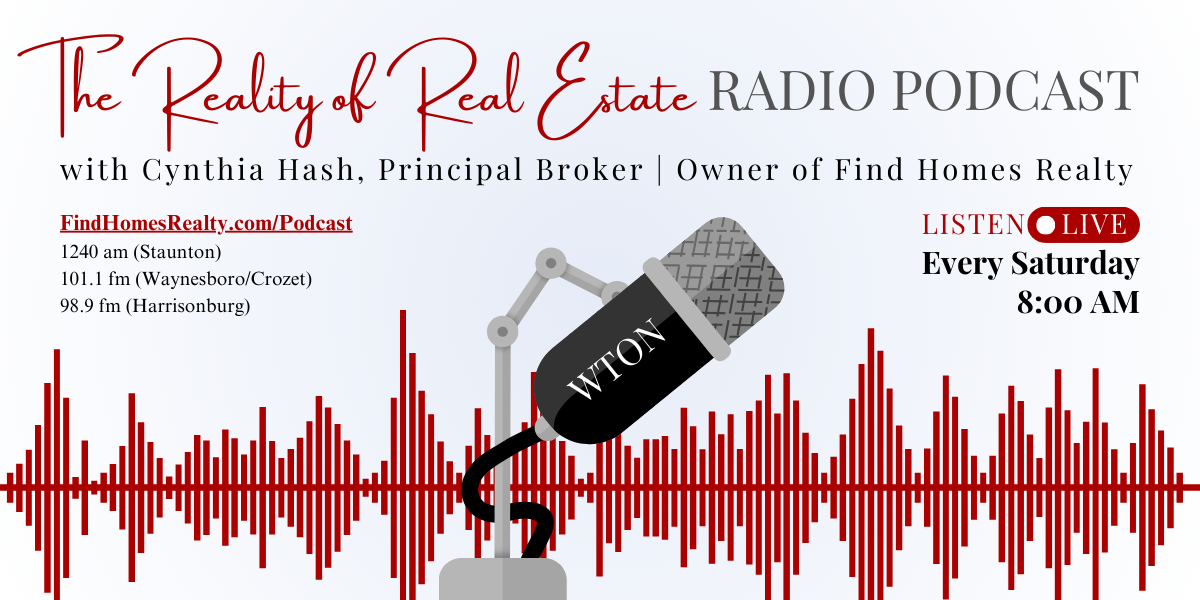
In Episode 79 of The Reality of Real Estate, we tackle a topic that affects nearly every homeowner at some point: capital gains tax. With ongoing discussions around potential tax reform, understanding how capital gains works—and how it could change—is critical for anyone thinking about selling their home.
Before diving in, it’s important to note that this is not tax or legal advice. For guidance specific to your situation, always consult a licensed CPA or attorney.
Capital gains tax is the tax you may owe on the profit made from selling an asset, including real estate. In simple terms, it’s the difference between what you paid for your home and what you sell it for, minus certain allowable expenses.
For homeowners, the IRS currently allows an exclusion on gains from the sale of a primary residence if specific criteria are met. However, these thresholds have not changed since 1997, even as home values have increased significantly.
Under existing tax law, homeowners may exclude:
To qualify, you must have lived in the home as your primary residence for at least two of the past five years.
While these limits once covered most home sales, today’s rising home values mean more homeowners are exceeding these thresholds—especially in long-term ownership situations.
A proposed bill introduced by Rep. Craig Goldman of Texas aims to eliminate federal capital gains taxes on primary residences for qualifying homeowners. The argument behind this proposal is that outdated tax caps discourage people from selling, which in turn reduces available housing inventory.
As of March 2026, this proposal has not yet passed, but it has sparked significant conversation across the real estate and financial industries.
Consider a homeowner who purchased a property 25 years ago for $200,000 and is now selling it for $500,000. That creates a $300,000 gain. After accounting for improvements, commissions, and closing costs, the net gain may fall within the $250,000 exemption for a single filer—meaning no capital gains tax is owed.
However, if that same property had been purchased decades earlier for a much lower price, the gain could exceed the exemption threshold. In those cases, the homeowner may be responsible for paying taxes on the excess amount, often at rates around 15–20% depending on income, and potentially higher in certain situations.
Capital gains tax becomes more complex in certain scenarios, including inherited properties, trusts, and investment strategies.
One important concept is the step-up in basis, which adjusts the property’s value to its market value at the time of inheritance. This can significantly reduce or even eliminate capital gains tax for heirs, particularly surviving spouses.
However, not all situations qualify for favorable treatment. For example, individuals involved in expatriation or certain types of investment transactions, such as improperly structured exchanges, may still be subject to capital gains taxes regardless of other exemptions.
Capital gains tax policy plays a larger role in the housing market than many people realize. When homeowners feel “locked in” due to potential tax liability, they are less likely to sell. This reduces housing inventory and can contribute to rising home prices.
In markets like Charlottesville and across Central Virginia, where property values have appreciated significantly, this issue is becoming increasingly relevant for long-term homeowners.
If you’re considering selling your home, it’s important to understand your potential tax exposure early in the process. Reviewing your purchase price, documenting improvements, and consulting with a tax professional can help you make informed decisions.
Even if you’re not planning to sell immediately, staying informed about potential tax reforms can help you better time your move and maximize your financial outcome.
Capital gains tax remains one of the most important—and often misunderstood—factors in real estate. While proposed reforms could significantly change how homeowners are taxed, current laws still rely on outdated thresholds that may impact more sellers than ever before.
Understanding how these rules apply to your situation is essential for making smart real estate decisions, whether you’re selling now or planning for the future.
Whether you're preparing to buy your dream home or sell your property, a trusted local expert can help you make the right move. At Find Homes Realty, we bring deep knowledge of the Charlottesville market and guide you through every step of the process.
For detailed IRS guidance, review Publication 523:
https://www.irs.gov/publications/p523
IRS Publication 523 – Selling Your Home
Kiplinger – Capital Gains Tax Insights
Realtor.com – Housing Trends and Capital Gains Discussions
We provide our clients with more than just the assistance in finding or selling a property. Caring for our clients and keeping their best interests at heart is what we do best. We represent our client....
Buying a home is often one of the most exciting milestones in life, but it can also be stressful and overwhelming. Even seasoned homebuyers admit that the process comes with its fair share of
Hosting an open house can be one of the most effective ways to attract potential buyers and generate interest in your property. By allowing multiple visitors to tour the home at once, sellers often
When preparing to buy a home, choosing the right mortgage can be just as important as choosing the right property. Some buyers work directly with banks or mortgage lenders, while others turn to
Many homebuyers are familiar with conventional, FHA, and VA mortgages, but fewer people realize that the United States Department of Agriculture also offers a home loan program designed to make
 Charlottesville Area Association of REALTORS® All information deemed reliable but not guaranteed. All properties are subject to prior sale, change or withdrawal. Neither listing broker(s) or information provider(s) shall be responsible for any typographical errors, misinformation, misprints and shall be held totally harmless. Listing(s) information is provided for consumer's personal, non-commercial use and may not be used for any purpose other than to identify prospective properties consumers
may be interested in purchasing. The data relating to real estate for sale on this website comes in part from the Internet Data Exchange program of the Multiple Listing Service. Real estate listings held by brokerage firms other than Find Homes Realty may be marked with the Internet Data Exchange logo and detailed information about those properties will include the name of the listing broker(s) when required by the MLS. Copyright ©2026 All rights reserved.
Last Updated: September 10, 2026 7:30 PM UTC
Show More...
Charlottesville Area Association of REALTORS® All information deemed reliable but not guaranteed. All properties are subject to prior sale, change or withdrawal. Neither listing broker(s) or information provider(s) shall be responsible for any typographical errors, misinformation, misprints and shall be held totally harmless. Listing(s) information is provided for consumer's personal, non-commercial use and may not be used for any purpose other than to identify prospective properties consumers
may be interested in purchasing. The data relating to real estate for sale on this website comes in part from the Internet Data Exchange program of the Multiple Listing Service. Real estate listings held by brokerage firms other than Find Homes Realty may be marked with the Internet Data Exchange logo and detailed information about those properties will include the name of the listing broker(s) when required by the MLS. Copyright ©2026 All rights reserved.
Last Updated: September 10, 2026 7:30 PM UTC
Show More...
 © BRIGHT, All Rights Reserved
Information Deemed Reliable But Not Guaranteed
The data relating to real estate for sale on this website appears in part through the BRIGHT Internet Data Exchange program, a voluntary cooperative exchange of
property listing data between licensed real estate brokerage firms in which
participates, and is provided by BRIGHT through a licensing agreement.
The information provided by this website is for the personal,
non-commercial use of consumers and may not be used for any purpose other than to identify prospective properties consumers may be interested in purchasing.
Data last updated: September 10, 2026 2:49 PM UTC
Some properties which appear for sale on this website may no longer be available
because they are under contract, have Closed or are no longer being offered for sale.
Some real estate firms do not participate in IDX and their listings do not appear on this website. Some properties listed with participating firms do not appear on this website at the request of the seller.
Show More...
 All information deemed reliable but not guaranteed. All properties are subject to prior sale, change or withdrawal. Neither listing broker(s) or information provider(s) shall be responsible for any typographical errors, misinformation, misprints and shall be held totally harmless. Listing(s) information is provided for consumer's personal, non-commercial use and may not be used for any purpose other than to identify prospective properties consumers may be interested in purchasing. The data relating
to real estate for sale on this website comes in part from the Internet Data Exchange program of the Multiple Listing Service. Real estate listings held by brokerage firms other than Find Homes Realty may be marked with the Internet Data Exchange logo and detailed information about those properties will include the name of the listing broker(s) when required by the MLS. Copyright ©2026 All rights reserved.
Last Updated: September 10, 2026 5:01 PM UTC
Show More...
All information deemed reliable but not guaranteed. All properties are subject to prior sale, change or withdrawal. Neither listing broker(s) or information provider(s) shall be responsible for any typographical errors, misinformation, misprints and shall be held totally harmless. Listing(s) information is provided for consumer's personal, non-commercial use and may not be used for any purpose other than to identify prospective properties consumers may be interested in purchasing. The data relating
to real estate for sale on this website comes in part from the Internet Data Exchange program of the Multiple Listing Service. Real estate listings held by brokerage firms other than Find Homes Realty may be marked with the Internet Data Exchange logo and detailed information about those properties will include the name of the listing broker(s) when required by the MLS. Copyright ©2026 All rights reserved.
Last Updated: September 10, 2026 5:01 PM UTC
Show More...
