Hosting an open house can be one of the most effective ways to attract potential buyers and generate interest in your property. By allowing multiple visitors to tour the home at once, sellers often

Dated: April 20 2026
Views: 153
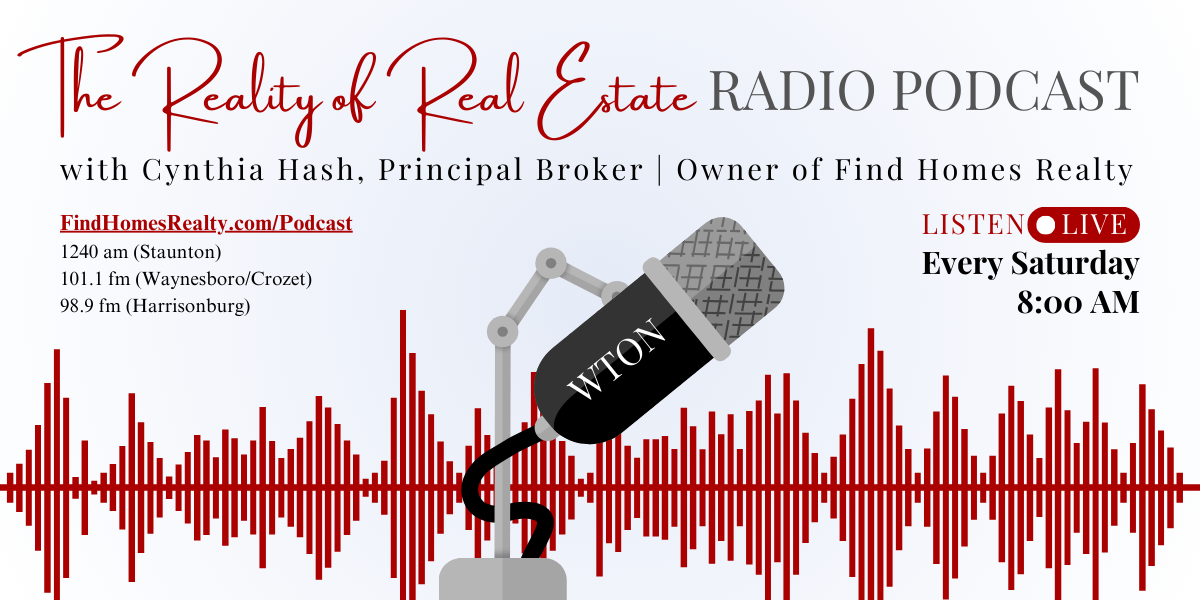
In Episode 78 of The Reality of Real Estate, we break down one of the most talked-about regulatory changes impacting the housing market: the Financial Crimes Enforcement Network (FinCEN) Residential Real Estate Rule. This new rule is designed to increase transparency in real estate transactions—but it has also sparked debate across the industry.
Whether you're a buyer, seller, or real estate professional, understanding how this rule works—and how it may affect you—is essential as we move through 2026.
The FinCEN Residential Real Estate Rule requires certain professionals involved in real estate closings and settlements to report specific transaction details to FinCEN. This applies primarily to non-financed residential real estate transfers, commonly known as all-cash purchases.
The rule is intended to combat money laundering by increasing transparency, particularly in transactions involving legal entities or trusts. These ownership structures can sometimes be used to conceal the identity of buyers and the source of funds.
A Real Estate Report is a filing submitted to FinCEN that includes detailed information about certain property transfers. The goal is to identify high-risk transactions and provide oversight in situations where traditional financial institutions are not involved.
This report typically includes information about the property, the buyer, and the beneficial owners behind any entity or trust involved in the transaction, as well as the individuals signing on behalf of those entities.
A Real Estate Report must be filed when all of the following conditions are met:
These criteria are designed to focus reporting on transactions that present a higher risk of illicit financial activity.
The responsibility for filing the report falls on what FinCEN defines as the “reporting person.” This is typically one of the professionals involved in the transaction, such as a closing agent or settlement provider.
Only one reporting person is required per transaction, and that individual is determined either through a structured hierarchy (known as the reporting cascade) or through a written agreement between the parties involved.
The primary purpose of the FinCEN rule is to prevent money laundering and illicit financial activity within the U.S. housing market. All-cash transactions, particularly those involving entities or trusts, have historically presented fewer transparency requirements compared to financed purchases.
By requiring reporting in these situations, FinCEN aims to create a clearer picture of who is buying property and where funds are coming from—helping protect the integrity of the housing market.
The rule has not come without controversy. A federal judge in Texas recently challenged the scope of FinCEN’s authority, arguing that the rule may represent an overreach—particularly in how it applies to domestic entities.
As a result, FinCEN issued an interim final rule that exempts domestic reporting companies, significantly narrowing the scope of who must comply. This change highlights the evolving nature of the regulation and the importance of staying up to date.
For most traditional homebuyers using financing, this rule will have little to no direct impact. However, for those purchasing property with cash—especially through LLCs, corporations, or trusts—there may be additional reporting requirements depending on how the rule evolves.
Sellers should also be aware that transactions involving entity buyers may include additional documentation or compliance steps as part of the closing process.
The FinCEN Real Estate Rule represents a significant step toward increased transparency in real estate, particularly in high-value, all-cash transactions. While its scope is currently shifting due to legal challenges, the intent remains clear: to prevent illicit financial activity and protect the U.S. housing market.
As regulations continue to evolve, working with knowledgeable real estate professionals is more important than ever to ensure compliance and a smooth transaction process.
Whether you're preparing to buy your dream home or sell your property, a trusted local expert can help you make the right move. At Find Homes Realty, we bring deep knowledge of the Charlottesville market and guide you through every step of the process.
For additional details and official guidance, visit the FinCEN FAQ page:
https://www.fincen.gov/rre-faqs#I
Financial Crimes Enforcement Network (FinCEN) – Residential Real Estate Rule FAQs and Guidance
We provide our clients with more than just the assistance in finding or selling a property. Caring for our clients and keeping their best interests at heart is what we do best. We represent our client....
Hosting an open house can be one of the most effective ways to attract potential buyers and generate interest in your property. By allowing multiple visitors to tour the home at once, sellers often
When preparing to buy a home, choosing the right mortgage can be just as important as choosing the right property. Some buyers work directly with banks or mortgage lenders, while others turn to
Many homebuyers are familiar with conventional, FHA, and VA mortgages, but fewer people realize that the United States Department of Agriculture also offers a home loan program designed to make
Planning a home improvement project can be exciting, but one important step homeowners often overlook is determining whether a building permit is required. Permit regulations can sometimes feel
 Charlottesville Area Association of REALTORS® All information deemed reliable but not guaranteed. All properties are subject to prior sale, change or withdrawal. Neither listing broker(s) or information provider(s) shall be responsible for any typographical errors, misinformation, misprints and shall be held totally harmless. Listing(s) information is provided for consumer's personal, non-commercial use and may not be used for any purpose other than to identify prospective properties consumers
may be interested in purchasing. The data relating to real estate for sale on this website comes in part from the Internet Data Exchange program of the Multiple Listing Service. Real estate listings held by brokerage firms other than Find Homes Realty may be marked with the Internet Data Exchange logo and detailed information about those properties will include the name of the listing broker(s) when required by the MLS. Copyright ©2026 All rights reserved.
Last Updated: September 9, 2026 7:18 PM UTC
Show More...
Charlottesville Area Association of REALTORS® All information deemed reliable but not guaranteed. All properties are subject to prior sale, change or withdrawal. Neither listing broker(s) or information provider(s) shall be responsible for any typographical errors, misinformation, misprints and shall be held totally harmless. Listing(s) information is provided for consumer's personal, non-commercial use and may not be used for any purpose other than to identify prospective properties consumers
may be interested in purchasing. The data relating to real estate for sale on this website comes in part from the Internet Data Exchange program of the Multiple Listing Service. Real estate listings held by brokerage firms other than Find Homes Realty may be marked with the Internet Data Exchange logo and detailed information about those properties will include the name of the listing broker(s) when required by the MLS. Copyright ©2026 All rights reserved.
Last Updated: September 9, 2026 7:18 PM UTC
Show More...
 © BRIGHT, All Rights Reserved
Information Deemed Reliable But Not Guaranteed
The data relating to real estate for sale on this website appears in part through the BRIGHT Internet Data Exchange program, a voluntary cooperative exchange of
property listing data between licensed real estate brokerage firms in which
participates, and is provided by BRIGHT through a licensing agreement.
The information provided by this website is for the personal,
non-commercial use of consumers and may not be used for any purpose other than to identify prospective properties consumers may be interested in purchasing.
Data last updated: September 9, 2026 3:29 PM UTC
Some properties which appear for sale on this website may no longer be available
because they are under contract, have Closed or are no longer being offered for sale.
Some real estate firms do not participate in IDX and their listings do not appear on this website. Some properties listed with participating firms do not appear on this website at the request of the seller.
Show More...
 All information deemed reliable but not guaranteed. All properties are subject to prior sale, change or withdrawal. Neither listing broker(s) or information provider(s) shall be responsible for any typographical errors, misinformation, misprints and shall be held totally harmless. Listing(s) information is provided for consumer's personal, non-commercial use and may not be used for any purpose other than to identify prospective properties consumers may be interested in purchasing. The data relating
to real estate for sale on this website comes in part from the Internet Data Exchange program of the Multiple Listing Service. Real estate listings held by brokerage firms other than Find Homes Realty may be marked with the Internet Data Exchange logo and detailed information about those properties will include the name of the listing broker(s) when required by the MLS. Copyright ©2026 All rights reserved.
Last Updated: September 9, 2026 4:51 PM UTC
Show More...
All information deemed reliable but not guaranteed. All properties are subject to prior sale, change or withdrawal. Neither listing broker(s) or information provider(s) shall be responsible for any typographical errors, misinformation, misprints and shall be held totally harmless. Listing(s) information is provided for consumer's personal, non-commercial use and may not be used for any purpose other than to identify prospective properties consumers may be interested in purchasing. The data relating
to real estate for sale on this website comes in part from the Internet Data Exchange program of the Multiple Listing Service. Real estate listings held by brokerage firms other than Find Homes Realty may be marked with the Internet Data Exchange logo and detailed information about those properties will include the name of the listing broker(s) when required by the MLS. Copyright ©2026 All rights reserved.
Last Updated: September 9, 2026 4:51 PM UTC
Show More...
