Buying a home is often one of the most exciting milestones in life, but it can also be stressful and overwhelming. Even seasoned homebuyers admit that the process comes with its fair share of

Dated: December 16 2025
Views: 97
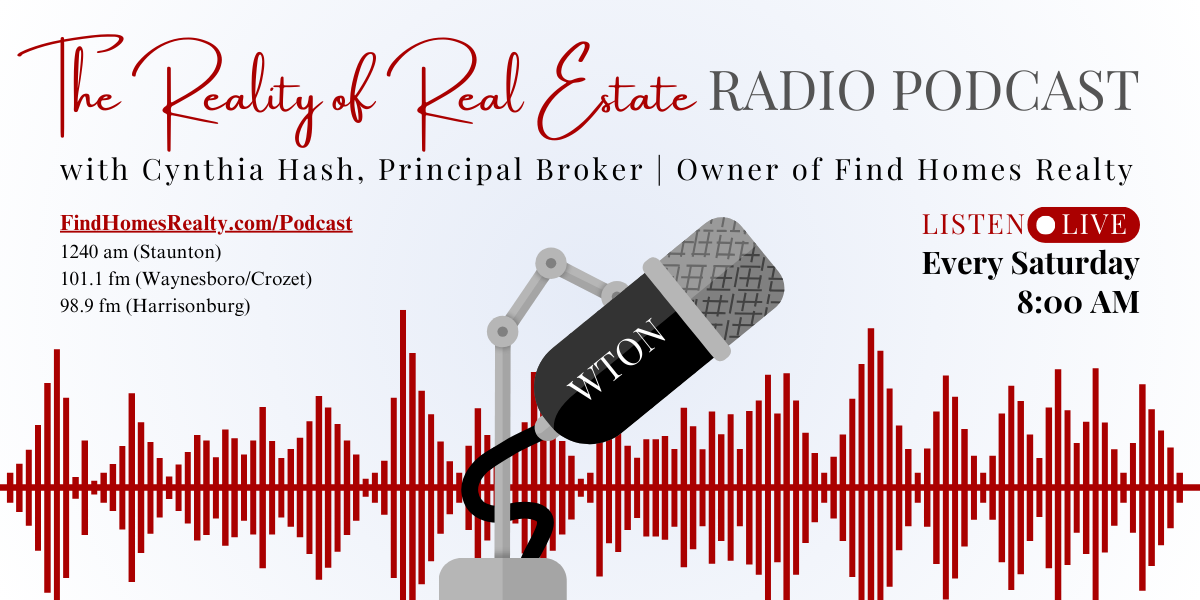
Halloween had just passed when this topic came up on Episode 57 of The Reality of Real Estate. Instead of spooky decorations and haunted houses, we spent the evening at a church Harvest Festival and Trunk or Treat event. It was refreshing to see a celebration focused on fun rather than fear. My grandkids even dressed for Medieval Times—a damsel, a knight, and a dragon.
That setting felt like the perfect lead-in to sharing a few real-life stories from my career in real estate that were far more unsettling than any ghost story.
During a showing with buyers I had worked with for some time, there was no reason to expect anything unusual. We trusted one another, and everything seemed routine—until we stepped inside the home.
Almost immediately, I felt deeply uncomfortable, as if I were being watched. This was long before home security cameras were common. When it came time to view the basement, I simply could not bring myself to go downstairs. The sense of a strong negative presence was overwhelming. I allowed my buyers to go down without me, and they didn’t stay long. That property was quickly crossed off their list.
In a different situation, I was looking at homes for myself several hours away, anticipating a possible job transfer for my husband. When the agent opened the front door to one particular home, I was hit with an intense feeling of sadness and fear. I never even stepped into the foyer.
Later, I learned that the home had been the site of a mass murder. No disclosure document could have prepared me for that emotional reaction.
Over the years, I’ve also encountered properties with features that raised eyebrows—like a bedroom with mirrors installed on the ceiling. In that case, the buyer specifically wanted the mirrors and equipment to remain with the home.
One of the most common questions agents receive is whether a Realtor must disclose if a house is haunted or if a death occurred in the home. In most states, including Virginia, paranormal activity is not a legally required disclosure.
However, if a buyer asks a direct question about a death or event in the home, both the agent and seller must answer honestly. Some states do impose specific disclosure rules. For example, California requires disclosure of deaths that occurred on the property within the past three years, Alaska requires disclosure within one year, and South Dakota asks directly about homicides or suicides.
Virginia law is very clear. Under the Virginia Residential Property Disclosure Act (§ 55.1-713), neither a property owner nor a real estate licensee can be held liable for failing to disclose that a property was the site of a homicide, suicide, or other felony—unless the felony involved the manufacture of methamphetamine. Agents are not required to stigmatize a property, even if the event could be considered emotionally significant.
Sometimes buyers notice a home has been bought and sold repeatedly and wonder if that alone is a red flag. A history of frequent sales can raise concerns, but it doesn’t always signal a problem.
On average, homeowners in the U.S. stay in their homes for around 12 years. When a single-family home in a stable neighborhood changes hands multiple times within a short period, it’s worth slowing down and asking questions. Context matters. Condos, starter homes, military towns, and job hubs often see faster turnover for perfectly innocent reasons.
A knowledgeable agent is your first and best resource when investigating a property’s history. Agents can often communicate with the listing agent to understand why previous owners sold quickly or why a prior deal fell apart.
Buyers can also research public records, including prior sales history, tax records, permit history, and old listing photos. Visiting the neighborhood at different times of day and speaking with neighbors can also reveal helpful insight that paperwork may not capture.
If a home checks every box but has a questionable history, inspections become especially important. A thorough home inspection can uncover hidden issues, while surveys and records can clarify legal or structural concerns.
Any issues uncovered during due diligence can often be used in negotiations. Red flags are not always deal-breakers—they can sometimes lead to price adjustments, repair credits, or seller concessions.
Frequent sales, grim events, or unusual histories don’t automatically mean a home should be avoided. They do mean buyers should proceed carefully, armed with good information and professional guidance.
If inspections reveal major problems, negotiations stall, or concerns continue to pile up, it may be best to move on. A good rule of thumb is simple: if fixing the issues would become your full-time job after closing, it’s probably not the right house.

We provide our clients with more than just the assistance in finding or selling a property. Caring for our clients and keeping their best interests at heart is what we do best. We represent our client....
Buying a home is often one of the most exciting milestones in life, but it can also be stressful and overwhelming. Even seasoned homebuyers admit that the process comes with its fair share of
Hosting an open house can be one of the most effective ways to attract potential buyers and generate interest in your property. By allowing multiple visitors to tour the home at once, sellers often
When preparing to buy a home, choosing the right mortgage can be just as important as choosing the right property. Some buyers work directly with banks or mortgage lenders, while others turn to
Many homebuyers are familiar with conventional, FHA, and VA mortgages, but fewer people realize that the United States Department of Agriculture also offers a home loan program designed to make
 Charlottesville Area Association of REALTORS® All information deemed reliable but not guaranteed. All properties are subject to prior sale, change or withdrawal. Neither listing broker(s) or information provider(s) shall be responsible for any typographical errors, misinformation, misprints and shall be held totally harmless. Listing(s) information is provided for consumer's personal, non-commercial use and may not be used for any purpose other than to identify prospective properties consumers
may be interested in purchasing. The data relating to real estate for sale on this website comes in part from the Internet Data Exchange program of the Multiple Listing Service. Real estate listings held by brokerage firms other than Find Homes Realty may be marked with the Internet Data Exchange logo and detailed information about those properties will include the name of the listing broker(s) when required by the MLS. Copyright ©2026 All rights reserved.
Last Updated: September 11, 2026 7:31 PM UTC
Show More...
Charlottesville Area Association of REALTORS® All information deemed reliable but not guaranteed. All properties are subject to prior sale, change or withdrawal. Neither listing broker(s) or information provider(s) shall be responsible for any typographical errors, misinformation, misprints and shall be held totally harmless. Listing(s) information is provided for consumer's personal, non-commercial use and may not be used for any purpose other than to identify prospective properties consumers
may be interested in purchasing. The data relating to real estate for sale on this website comes in part from the Internet Data Exchange program of the Multiple Listing Service. Real estate listings held by brokerage firms other than Find Homes Realty may be marked with the Internet Data Exchange logo and detailed information about those properties will include the name of the listing broker(s) when required by the MLS. Copyright ©2026 All rights reserved.
Last Updated: September 11, 2026 7:31 PM UTC
Show More...
 © BRIGHT, All Rights Reserved
Information Deemed Reliable But Not Guaranteed
The data relating to real estate for sale on this website appears in part through the BRIGHT Internet Data Exchange program, a voluntary cooperative exchange of
property listing data between licensed real estate brokerage firms in which
participates, and is provided by BRIGHT through a licensing agreement.
The information provided by this website is for the personal,
non-commercial use of consumers and may not be used for any purpose other than to identify prospective properties consumers may be interested in purchasing.
Data last updated: September 11, 2026 3:50 PM UTC
Some properties which appear for sale on this website may no longer be available
because they are under contract, have Closed or are no longer being offered for sale.
Some real estate firms do not participate in IDX and their listings do not appear on this website. Some properties listed with participating firms do not appear on this website at the request of the seller.
Show More...
 All information deemed reliable but not guaranteed. All properties are subject to prior sale, change or withdrawal. Neither listing broker(s) or information provider(s) shall be responsible for any typographical errors, misinformation, misprints and shall be held totally harmless. Listing(s) information is provided for consumer's personal, non-commercial use and may not be used for any purpose other than to identify prospective properties consumers may be interested in purchasing. The data relating
to real estate for sale on this website comes in part from the Internet Data Exchange program of the Multiple Listing Service. Real estate listings held by brokerage firms other than Find Homes Realty may be marked with the Internet Data Exchange logo and detailed information about those properties will include the name of the listing broker(s) when required by the MLS. Copyright ©2026 All rights reserved.
Last Updated: September 11, 2026 5:03 PM UTC
Show More...
All information deemed reliable but not guaranteed. All properties are subject to prior sale, change or withdrawal. Neither listing broker(s) or information provider(s) shall be responsible for any typographical errors, misinformation, misprints and shall be held totally harmless. Listing(s) information is provided for consumer's personal, non-commercial use and may not be used for any purpose other than to identify prospective properties consumers may be interested in purchasing. The data relating
to real estate for sale on this website comes in part from the Internet Data Exchange program of the Multiple Listing Service. Real estate listings held by brokerage firms other than Find Homes Realty may be marked with the Internet Data Exchange logo and detailed information about those properties will include the name of the listing broker(s) when required by the MLS. Copyright ©2026 All rights reserved.
Last Updated: September 11, 2026 5:03 PM UTC
Show More...
